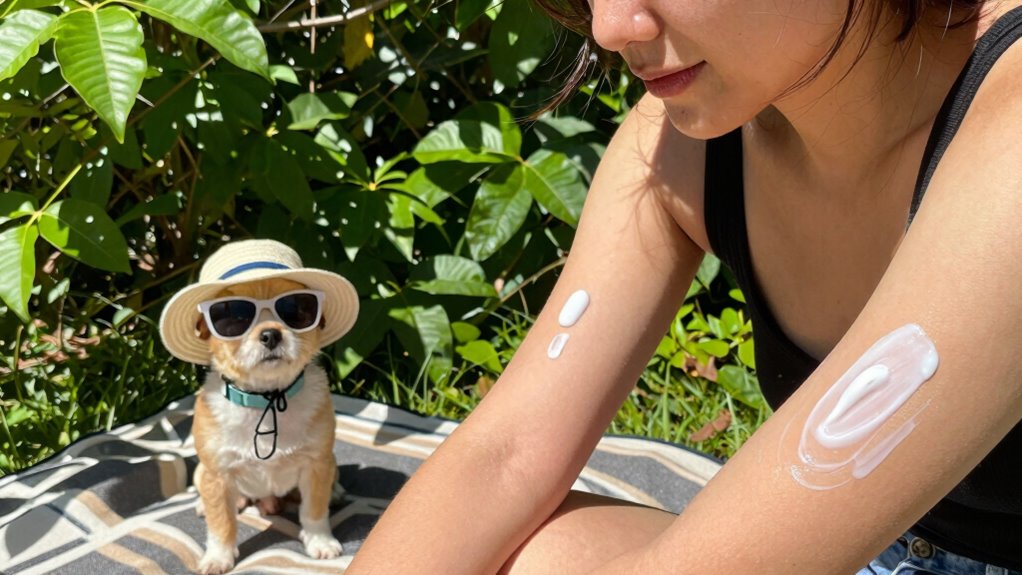

To stay safe with UV lighting, protect your eyes by never looking directly at the source and always follow safety guidelines. Cover your skin with UV-resistant clothing to prevent burns and damage. Keep pets away from UV lamps or enclosures, as they might unknowingly come into contact with harmful rays. Proper shielding and turning off devices when not in use reduce risks. For more tips on safe UV lighting, keep exploring how you can minimize hazards for everyone involved.

Get decor and gifts delivered free — and shop member deals
- Fast, free delivery on millions of items
- Access to Prime Big Deal Days deals on October 6–7
- Prime Video, Amazon Music and more included
Key Takeaways
- Avoid direct eye contact with UV sources to prevent eye damage.
- Cover skin with protective clothing or UV-resistant garments during exposure.
- Keep pets away from areas with active UV lamps or devices.
- Turn off UV devices when not in use and shield lights to minimize accidental exposure.
- Follow manufacturer safety instructions to reduce risks to eyes, skin, and pets.

You should also be cautious about pets in environments where UV lighting is in use. Pets often don’t understand the danger and may inadvertently come into contact with UV-emitting devices. Keep them away from areas with active UV lamps or enclosures that contain UV light sources. If you notice your pet scratching or rubbing their eyes or skin after exposure, consult a veterinarian immediately. Preventive measures, like ensuring UV lights are properly shielded or turned off when not in use, can help protect your furry friends from harm. Awareness of biodiversity can help you understand the importance of protecting all living creatures from environmental hazards like UV exposure. It’s essential to understand that UV light exposure isn’t just a concern during professional use or in specialized environments; it can happen in everyday situations, especially if you’re using devices like UV sterilizers or lamps at home. Never look directly at a UV light source, as even brief exposure can damage your eyes. Always follow manufacturer instructions and safety guidelines when handling UV devices. Use protective clothing, including UV-resistant gloves and clothing, to limit skin exposure. Remember, UV rays can penetrate thin clothing, so covering your skin is a wise precaution. Additionally, understanding the safety precautions associated with UV lighting can help you prevent accidental exposure. Being aware of the potential health risks linked to UV exposure can further enhance your safety measures. Recognizing the importance of environmental hazards in daily life underscores the need for proper safety awareness.
Frequently Asked Questions
Can UV Lights Cause Long-Term Health Effects?
UV lights can cause long-term health effects if you’re frequently exposed without proper protection. Prolonged UV exposure may increase your risk of skin cancer, eye damage, and other health issues over time. It’s essential to limit your exposure, wear protective gear like UV-safe glasses and clothing, and verify the UV light is used correctly. Taking these precautions helps reduce potential long-term health risks associated with UV lighting.
Are UV Lights Safe for Children?
You shouldn’t assume UV lights are safe for children, as UV exposure can harm their delicate skin and eyes. Child safety should be your top priority, so it’s best to keep kids away from direct UV light sources. Always follow manufacturer guidelines, and use protective measures like UV-blocking goggles and clothing if exposure is unavoidable. When in doubt, play it safe—protecting your little ones from UV risks is worth it.
How Often Should UV Lights Be Maintained?
You should maintain your UV lights every 6 to 12 months to guarantee peak performance and safety. Regular maintenance helps extend the UV light lifespan and prevents potential hazards caused by degraded bulbs. Check for signs of wear or damage, clean the bulbs carefully, and replace them when necessary. Keeping a routine maintenance schedule ensures your UV lights remain effective and safe for your environment and pets.
Do UV Lights Emit Ozone or Other Harmful Gases?
Think of UV lights as silent guardians, but sometimes they produce ozone or gas emissions. While many UV lights don’t emit significant ozone, some can create ozone through a process called ozone production. This can be harmful if inhaled in large amounts. Always check your device’s specifications to guarantee it minimizes gas emissions, and guarantee proper ventilation. Protect yourself, your pets, and your environment from unnecessary exposure to potentially harmful gases.
Can UV Lighting Be Used Around Outdoor Pets?
Yes, you can use UV lighting around outdoor pets, but you must prioritize outdoor pet safety and follow UV light precautions. Make certain the UV light is securely installed and shielded so your pets won’t be directly exposed, as prolonged exposure can harm their skin and eyes. Always supervise their presence near UV lights, and opt for safer, pet-friendly options when possible, to prevent any health risks.
Conclusion
Now that you know the risks of UV lighting, it’s your turn to take action. Protect your eyes, skin, and pets like a modern-day knight armed with common sense—no need for a suit of armor, just proper shielding. Remember, safety is timeless, even if UV lamps aren’t. So, don’t let your vigilance fall by the wayside; keep your home safe and your loved ones protected. Stay smart, stay safe, and avoid being caught unprepared in this brave new world.
Fall Picks
fall essentials
As an affiliate, we earn on qualifying purchases.