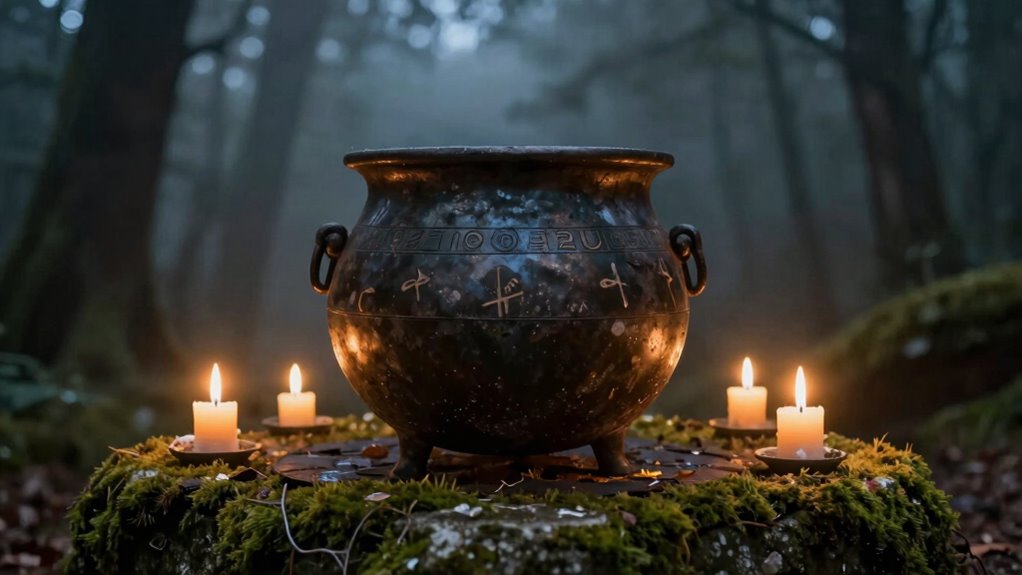

The myth that cauldrons are inherently linked to dark magic isn’t true; history shows they were primarily practical tools for cooking, medicine, and ritual purposes across many cultures. Civilizations like the Celts, Greeks, and Chinese used cauldrons for nourishment, transformation, and spiritual symbolism. Legends often exaggerated their role in witchcraft, fueling fear and superstition. To understand their true significance and see beyond the myths, explore how they shaped human life and tradition throughout history.

Get decor and gifts delivered free with Prime
- Fast, free delivery on millions of items
- Prime Video, Amazon Music and more included
- Member-only deals all year
Key Takeaways
- Historically, cauldrons were practical tools for cooking, metalworking, and medicinal brews, not symbols of dark magic.
- Many legends exaggerate cauldrons’ roles in witchcraft, but they primarily represented abundance, transformation, and life cycles.
- Different cultures, like Celtic and Chinese traditions, revered cauldrons as symbols of prosperity, rebirth, and immortality.
- The modern myth links cauldrons to evil or sinister practices, but their true significance is rooted in daily life and spiritual symbolism.
- Recognizing their historical and cultural context dispels misconceptions and highlights their roles in human ingenuity and tradition.
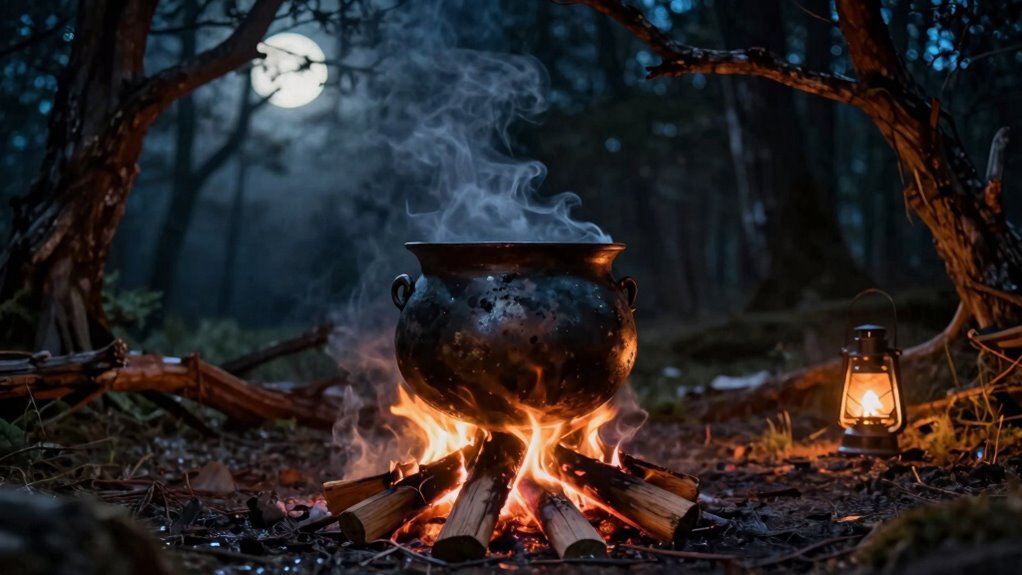
Have you ever wondered what truths lie behind the myths about cauldrons? These mysterious vessels have long captured human imagination, but much of what you’ve heard might be more myth than fact. To truly understand their significance, you need to look at their historical origins and the cultural variations that have shaped their tales. Cauldrons, in their earliest forms, date back thousands of years. Archaeological finds reveal their presence in ancient civilizations like the Celts, Greeks, and Romans. Originally, they were practical tools used for cooking, metalworking, or ritualistic purposes, not the magical or sinister objects they’re often portrayed as today. Over time, stories and legends grew around them, transforming their image from simple household items into symbols of witchcraft and alchemy.
In many cultures, cauldrons acquired a mystical aura. The Celtic tradition, for example, revered the cauldron as a symbol of abundance and rebirth. The myth of the Dagda’s Cauldron in Irish lore, which was said to never run out of food, exemplifies this association with nourishment and prosperity. Meanwhile, in Chinese mythology, the cauldron was linked to alchemy and the pursuit of immortality, often depicted as a vessel holding powerful elixirs. Across European folklore, especially during the medieval period, cauldrons became intertwined with witchcraft accusations, fueled by fear and superstition. These stories often exaggerated their use, painting them as tools for brewing dark potions or casting spells. Yet, historically, many cauldrons served mundane purposes, like preparing medicinal brews or cooking large communal meals. Understanding the cultural significance of cauldrons helps to appreciate the diverse roles they played in different societies. These vessels also served as symbols of transformation and change, representing important life cycles in various traditions. Recognizing the historical context of cauldrons allows us to see them as more than just mythic symbols, but as practical objects rooted in human history. Additionally, they often played a role in spiritual practices, further emphasizing their importance beyond mere superstition.
The myths you’ve heard often distort these origins, emphasizing their role in sinister practices. But the truth is, cauldrons were versatile objects embedded in daily life and spiritual practices, varying widely across regions. In some cultures, they symbolized life, death, and transformation, while in others, they represented prosperity or divine connection. The myth that cauldrons are inherently evil or magical is a modern overlay, rooted more in storytelling than historical fact. Recognizing their true origins and cultural contexts helps you see them not as vessels of dark arts but as artifacts of human ingenuity and cultural expression. When you clear away the myths, you realize cauldrons are part of our collective history—simple tools that have been woven into stories of survival, spirituality, and tradition for thousands of years.
As an affiliate, we earn on qualifying purchases.
Frequently Asked Questions
Are Cauldrons Used in Modern Witchcraft Practices Today?
Yes, you can find cauldrons used in modern witchcraft practices today. While they’re not the same as traditional, heavy-duty cookware, many practitioners choose decorative or ritual cauldrons inspired by culinary traditions. These vessels symbolize transformation and protection during rituals. People often use them for burning herbs or incense, blending practical uses from modern cookware with spiritual symbolism. So, cauldrons remain a meaningful part of contemporary witchcraft.
What Materials Were Historically Used to Make Cauldrons?
Did you know that historically, cauldrons were primarily made from metal alloys like cast iron, copper, and bronze? These materials were chosen for their durability and heat conduction. Skilled manufacturing techniques, such as casting and hammering, allowed artisans to create sturdy, functional cauldrons. This combination of strong metals and craftsmanship guaranteed cauldrons could withstand intense heat and last for generations, making them essential tools in ancient kitchens and rituals.
How Did Cauldrons Become Symbols of Witches in Folklore?
You see, cauldrons became symbols of witchcraft through folklore origins that linked them to magic and mystery. In history, they were practical cooking tools, but legends transformed them into icons of witches brewing potions. Their association with witchcraft symbolism grew during times of fear and superstition, making cauldrons a visual shorthand for witches’ secret rituals. Today, they embody both mystical power and the enchanting, sometimes sinister, aura of folklore.
Are There Specific Rituals Associated With Cauldrons in Different Cultures?
Imagine a bubbling cauldron steaming over a fire, symbolizing transformation and mystery. In many cultures, cauldron symbolism plays a central role in rituals—like Celtic ceremonies invoking gods or African traditions celebrating ancestors. You might find rituals involving pouring, stirring, or offering ingredients into the cauldron, each act representing spiritual connection or renewal. These cultural rituals deepen the sacred bond between people, nature, and the unseen forces guiding them.
What Are the Historical Origins of Cauldrons in Ancient Societies?
You’ll find that cauldrons originated in ancient societies as essential tools for both alchemy symbolism and culinary traditions. In early cultures, they symbolized transformation, linked to alchemy’s quest for transmutation. They also served practical purposes in cooking, brewing, and ritual practices. Over time, cauldrons became powerful symbols of mystery and magic, reflecting their dual roles in practical daily life and mystical pursuits across different civilizations.
Conclusion
So next time you see a cauldron, don’t just think of witches or dark magic. Imagine the ancient fires flickering beneath it, the bubbling brew that holds secrets of old, and the whispers of legends that have woven themselves into history. These vessels are more than myth—they’re silent witnesses to countless stories, simmering with history and mystery. Embrace the truth behind them, and let your imagination stir like a potion in a well-worn cauldron.
Columbus Day / Indigenous Peoples' Day Picks
long weekend sales
As an affiliate, we earn on qualifying purchases.