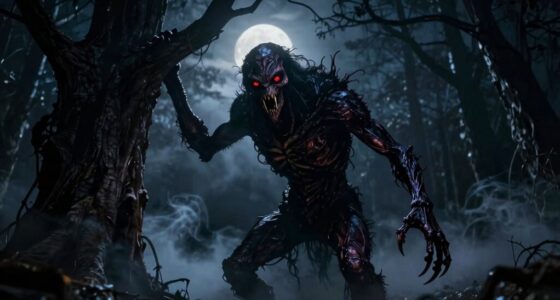

Vampire rules, like needing blood and fear of sunlight, evolved from ancient legends to become key symbols of Halloween. These rules transformed the terrifying creature into a mixture of danger, seduction, and mystery — perfect for spooky celebrations. Over time, cultural shifts made vampires more complex, blending fear with allure. Today, these iconic traits shape costumes, stories, and decorations, making vampires an enduring staple of Halloween. Keep exploring to discover how these symbols continue to evolve and captivate audiences.

Get decor and gifts delivered free with Prime
- Fast, free delivery on millions of items
- Prime Video, Amazon Music and more included
- Member-only deals all year
Key Takeaways
- Vampire rules like blood-drinking and sunlight vulnerability shaped their consistent, otherworldly image, making them recognizable symbols during Halloween.
- The transformation from terrifying monsters to seductive icons reflects societal shifts in perceptions of power and mortality.
- Folklore and cultural influences evolved vampire symbolism, integrating themes of seduction, immortality, and duality into Halloween traditions.
- Popular culture, literature, and film reinforced vampire traits, turning them into iconic Halloween costumes and decorations.
- Their mythic symbolism of death, the supernatural, and societal fears continues to resonate, maintaining their status as enduring Halloween icons.
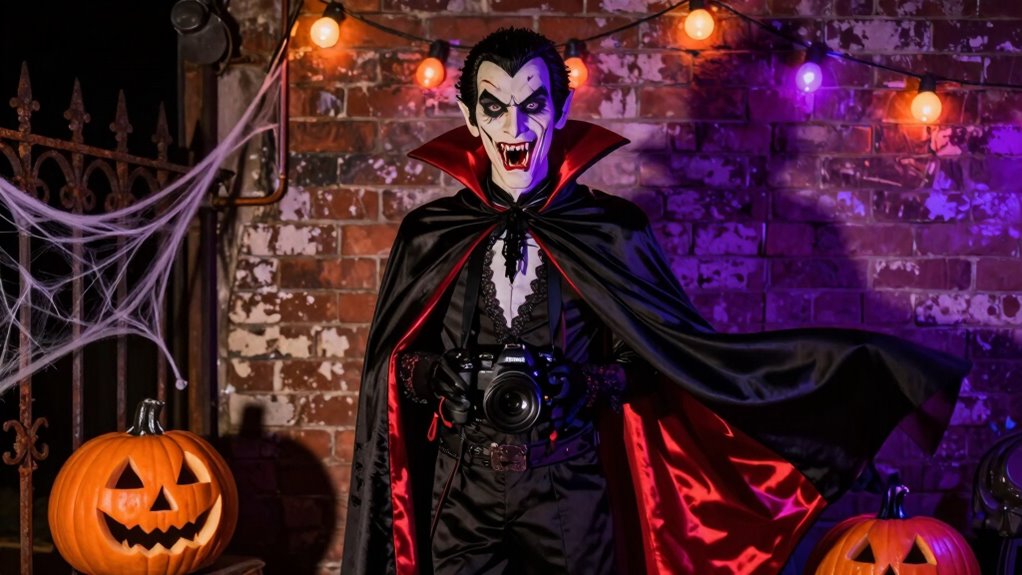
Vampires have long been a staple of Halloween, embodying mystery, allure, and a touch of danger. Over time, their image has evolved from sinister monsters into symbols of intrigue and elegance. This transformation is deeply rooted in creature symbolism and reflects the cultural evolution surrounding these nocturnal beings. Originally, vampires represented primal fears—death, disease, and the unknown. Their creature symbolism was tied to the idea of the undead, a creature caught between life and death, embodying society’s anxieties about mortality and the supernatural. As stories spread across different cultures, the vampire’s image shifted, influenced by local folklore and societal beliefs. In Eastern European legends, vampires were often seen as revenants, returning from the grave to haunt the living, reinforcing fears of death’s mysteries. Over centuries, the vampire’s role morphed, influenced by literature, film, and pop culture, gradually shedding its terrifying reputation to become more charismatic and complex. Additionally, the establishment of specific vampire rules helped shape their mythic identity and cultural significance. These rules often served to create a consistent framework that reinforced their mythic status, making them both fascinating and terrifying figures in stories and traditions.
The cultural evolution of vampire rules plays a major role in how these creatures became Halloween icons. As vampire lore entered mainstream consciousness, especially through 19th-century literature like Bram Stoker’s *Dracula*, their characteristics expanded beyond mere monsters. They became symbols of seduction, power, and immortality. This shift allowed the vampire to embody duality—dangerous yet alluring, mortal yet eternal. The rules that define vampires—such as their need for blood, their vulnerability to sunlight, and their ability to transform—serve as fascinating mythic structures that emphasize their creature symbolism. These rules created a sense of consistency and mystery, making vampires both relatable and otherworldly, perfect for Halloween’s themes of transformation and the uncanny. Interestingly, the mythic structures surrounding vampires often mirror societal fears and values, illustrating how folklore adapts to cultural shifts. The development of these rules also reflects society’s changing perceptions of morality and fear, influencing how vampires are portrayed in media and popular culture. Understanding the origins and cultural significance of these rules helps explain their lasting appeal and how they continue to shape Halloween traditions. Furthermore, the evolving vampire myth illustrates how folklore adapts to societal values over time, keeping the legend relevant and compelling.
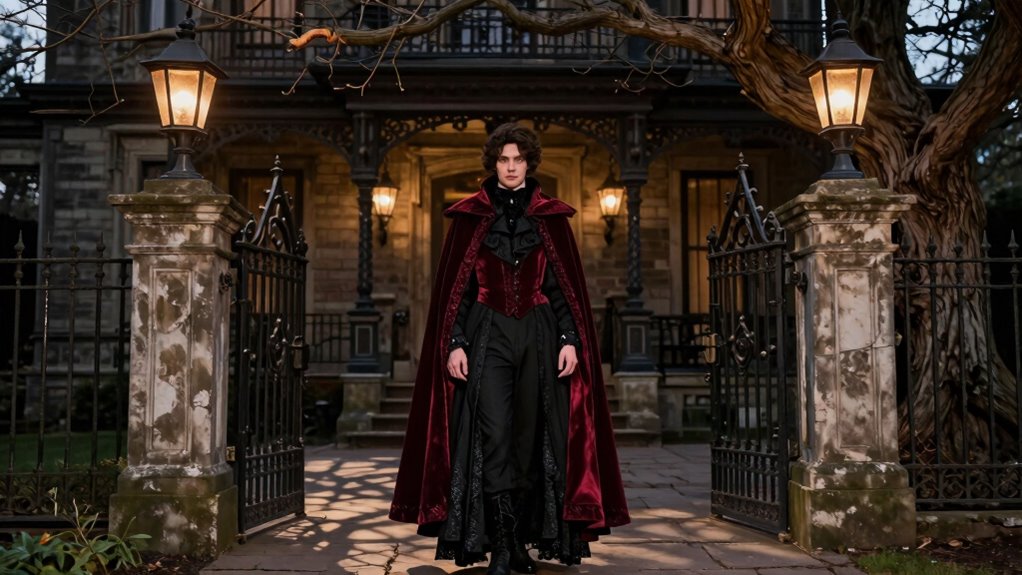
Today, vampire rules are ingrained in Halloween traditions, shaping costumes, decorations, and stories. Their cultural evolution has transformed them from symbols of primal fears to sophisticated icons of pop culture. You might see vampires depicted with fangs and capes, but behind that imagery lies centuries of mythic and cultural shifts that helped craft their modern persona. These rules and symbolism allow you to explore themes of mortality, seduction, and the supernatural during Halloween, making vampires enduring symbols of the holiday. Whether you see them as villains or antiheroes, their deep-rooted creature symbolism and cultural evolution ensure vampires remain mesmerizing figures—forever fascinating, forever part of the Halloween landscape.
Vampire Halloween costume for adults
As an affiliate, we earn on qualifying purchases.
As an affiliate, we earn on qualifying purchases.
Frequently Asked Questions
When Did Vampires First Appear in Folklore?
You might not realize, but vampires first appeared in folklore around the 18th century, stemming from Eastern European myths. These stories reflect vampire symbolism, representing fears of death and disease. Their mythical origins are rooted in ancient beliefs about spirits and reanimated corpses. Over time, these legends evolved, shaping our modern vampire lore. You can see how these early tales laid the foundation for vampires’ iconic status in Halloween and popular culture today.
How Did Vampire Rules Originate in Literature?
Vampire rules originated in literature through a mix of mythology and gothic literary themes, shaping vampire symbolism today. Writers like Bram Stoker crafted specific characteristics—such as vulnerability to sunlight and the need for blood—that defined vampires. These rules served to create suspense, symbolize fears of death and decay, and deepen the dark, mysterious allure central to gothic tales. This literary foundation turned into the iconic vampire imagery we now associate with Halloween.
Why Did Vampires Become Associated With Halloween?
Vampires became associated with Halloween because their dark, mysterious vampire symbolism fits perfectly with the holiday’s spooky themes. You often see vampires in Halloween costumes, which emphasize their iconic traits like fangs and capes. Over time, these symbols grew into a fun, popular way to celebrate the eerie and supernatural, making vampires a staple of Halloween festivities and costumes, symbolizing the thrill of the night.
What Cultural Influences Shaped Vampire Characteristics?
You can think of vampire characteristics as a tapestry woven from Gothic symbolism and Eastern European legends. These influences shape their mysterious, dark allure—like Dracula’s eerie castle embodying Gothic themes of death and immortality. Eastern European stories about blood-drinking spirits introduced traits like vulnerability to sunlight and the need for blood, transforming vampires into complex symbols of fear, desire, and the unknown.
Are Modern Vampire Rules Different From Traditional Ones?
Modern adaptations have definitely changed vampire rules compared to traditional ones. You’ll notice genre variations, like sparkling vampires in *Twilight* or vampire hunters in action films, which alter classic traits. Today’s vampires often have more complex personalities, and rules about sunlight, blood, and immortality are more flexible. These updates reflect evolving storytelling styles, making vampires more relatable or unique, unlike the strict, fearsome creatures of earlier folklore.
Conclusion
Now, as you carve your pumpkins and don your costumes, remember how vampire rules transformed from dark whispers into the glittering crown of Halloween’s crown jewel. They’ve become a mirror reflecting our fascination with the mysterious and the forbidden, dancing on the edge of fear and allure. Like shadows cast by flickering candles, these rules have woven themselves into the fabric of our spooky celebration, enchanting us with their timeless, hypnotic charm.
Halloween Picks
halloween
As an affiliate, we earn on qualifying purchases.