
Using a simple spreadsheet can effectively prevent the ‘missing parts’ panic next October by centralizing your inventory data, tracking stock levels, and setting automatic reorder alerts. It helps you spot low stock before shortages happen and keeps an organized record of past orders. Regular updates and streamlined management reduce last-minute surprises and guarantee you’re prepared. Keep going to discover how this easy system can keep your inventory on track all year long.

Get decor and gifts delivered free — and shop member deals
- Fast, free delivery on millions of items
- Access to Prime Big Deal Days deals on October 6–7
- Prime Video, Amazon Music and more included
Key Takeaways
- Centralizes inventory data for real-time tracking and quick identification of low stock parts.
- Automates reorder alerts to prevent shortages during busy periods like October.
- Simplifies monitoring stock levels, thresholds, and supplier details in one easy-to-update spreadsheet.
- Supports proactive planning and adjustments to supply chain disruptions before shortages occur.
- Promotes consistent inventory reviews, reducing last-minute panic and ensuring preparedness.
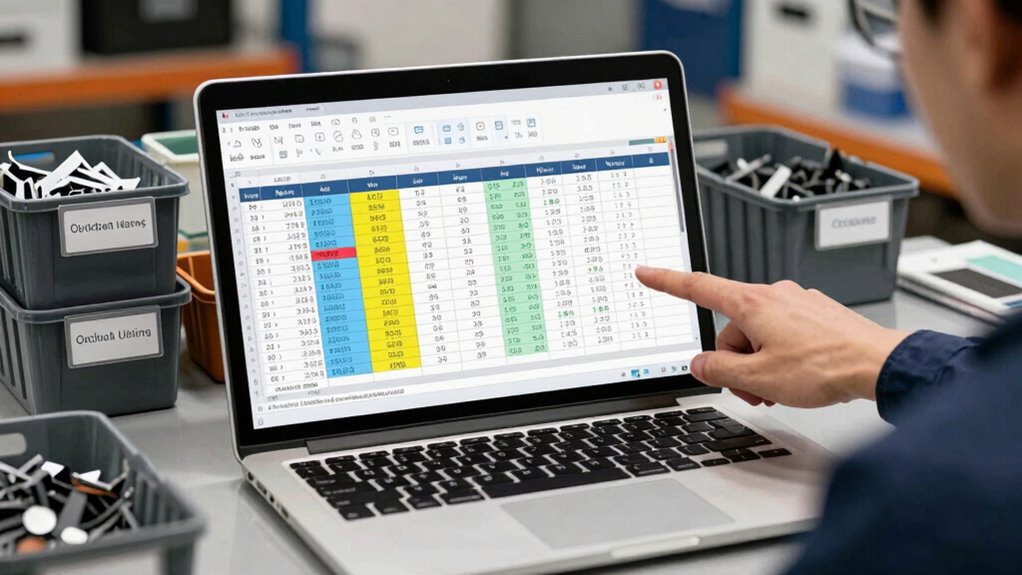
When managing inventory, missing parts can cause costly delays and frustration. You know how unpredictable supply chain issues or miscounts can throw a wrench into your schedule, especially when you’re preparing for a busy period like next October. That’s where effective inventory tracking becomes essential. By keeping a close eye on your stock levels and order management, you can prevent the last-minute scramble to find missing parts. The key is having a straightforward system that’s easy to update and dependable enough to catch potential shortages before they become urgent problems.
Effective inventory tracking prevents delays and last-minute shortages with a simple, reliable system.
A simple spreadsheet can be your best tool. It’s much more than just a list of parts; it’s a live document that helps you monitor stock levels, reorder points, and pending orders all in one place. With this setup, you can easily track inventory flow, identify which parts are running low, and plan your orders accordingly. Instead of relying on memory or scattered notes, you’ll have a centralized system that updates in real-time as you receive shipments or use parts. This continuous inventory tracking reduces the risk of missing components, especially during peak times when mistakes are more likely to happen. Incorporating inventory management best practices ensures your system stays effective and reliable.
Order management becomes seamless with this spreadsheet. You can set automatic alerts or color-code items that need replenishing soon. When a part hits its reorder point, you’re prompted to place an order, eliminating last-minute surprises. This proactive approach helps you avoid delays, keeps production on schedule, and ensures you’re always prepared for the upcoming busy season. Additionally, by maintaining a clear record of past orders and delivery times, you can optimize your supplier relationships and reorder cycles, further minimizing the chances of missing parts in October. Regularly reviewing supply chain strategies can also help you anticipate potential disruptions and adapt accordingly. Implementing consistent tracking systems makes it easier to identify patterns and improve your overall inventory control. Developing a routine of regular updates to your spreadsheet further enhances your ability to stay ahead of shortages. Plus, understanding the importance of accurate data reinforces the value of diligent record-keeping for preventing supply issues. What makes this spreadsheet so effective is its simplicity. You don’t need complex software or extensive training. Just a few columns for part numbers, current stock, reorder thresholds, supplier info, and order dates create a thorough overview. Regularly updating this document, especially as new shipments arrive or parts are used, keeps your inventory accurate. Over time, you’ll develop a predictable rhythm for restocking, which diminishes the panic of last-minute shortages. By integrating this straightforward tool into your daily routine, you’re empowering yourself to manage inventory proactively, making the dreaded ‘missing parts’ scenario a thing of the past.
inventory management spreadsheet template
As an affiliate, we earn on qualifying purchases.
As an affiliate, we earn on qualifying purchases.
Frequently Asked Questions
Can I Customize the Spreadsheet for Different Types of Parts?
Yes, you can customize the spreadsheet for different types of parts. It offers flexible customization options, allowing you to add or modify categories based on your needs. You can easily organize parts through distinct part categorization, making it simple to track and manage various components. This way, you guarantee your inventory stays accurate and organized, reducing the risk of missing parts during critical times.
Is the Spreadsheet Compatible With Other Software Programs?
Think of your spreadsheet as a universal translator—it’s compatible with major software programs, making your workflow seamless. While using cloud storage, you’ll appreciate its high data security, ensuring your information stays safe during transfers. This compatibility means you can easily integrate it into your existing tools, reducing errors and saving time. You won’t have to worry about losing track or switching platforms, because your data stays protected and accessible everywhere.
How Often Should I Update the Inventory Data?
You should update your inventory data regularly, ideally conducting an inventory audit at least once a month. During these audits, use data validation features to guarantee accuracy and catch discrepancies early. Regular updates help keep your inventory current, prevent missing parts, and ensure your spreadsheet remains reliable. By maintaining consistent intervals, you reduce the risk of errors and keep your inventory management efficient and dependable.
Can Multiple Users Access and Edit the Spreadsheet Simultaneously?
Yes, multiple users can access and edit the spreadsheet simultaneously. You just need to enable collaborative editing, which allows for real-time updates. This feature guarantees everyone stays on the same page, reducing errors and preventing missing parts. With collaborative editing, your team can work together smoothly, making adjustments instantly and avoiding delays. It’s perfect for ensuring your inventory stays accurate and up-to-date, especially during busy periods.
What Are the Best Practices for Maintaining the Spreadsheet’s Accuracy?
To keep your spreadsheet accurate, you should regularly use data validation to restrict entries and prevent errors. Implement error tracking by reviewing change logs and highlighting discrepancies promptly. Double-check formulas and cross-reference data frequently. Encourage team members to follow consistent data entry practices, and set up regular audits. These best practices guarantee your information stays reliable, reducing the risk of missing parts and keeping your project on track.
Conclusion
Think of this spreadsheet as your lighthouse in a stormy sea, guiding you safely past the rocky shoals of missing parts. By keeping everything organized and clear, you won’t be caught off guard when October rolls around. Instead, you’ll navigate with confidence, like a seasoned captain steering through calm waters. Embrace this tool, and let it be your beacon, ensuring smooth sailing and peace of mind when every piece falls into place exactly when you need it.
Halloween Picks
halloween
As an affiliate, we earn on qualifying purchases.