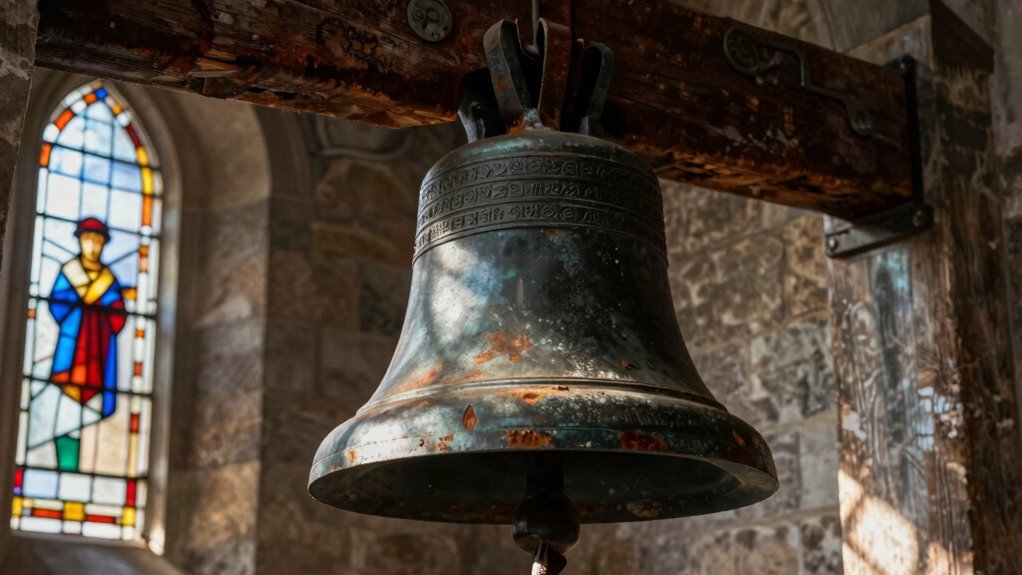

The idea that bells can physically ward off evil spirits is just a myth rooted in cultural symbolism, not scientific fact. Throughout history, many societies believed loud sounds could chase away malevolent forces, but studies show bells mainly serve as spiritual tools or signals, not supernatural protectors. Their power lies in traditions and emotional comfort, not actual spiritual defense. Keep exploring to uncover the true origins of this ancient belief and why it endures today.

Get decor and gifts delivered free with Prime
- Fast, free delivery on millions of items
- Prime Video, Amazon Music and more included
- Member-only deals all year
Key Takeaways
- The belief that bells ward off evil spirits is a cultural myth, not supported by scientific evidence.
- Historically, bells symbolize protection and spiritual significance rather than possessing actual supernatural powers.
- Different cultures use bells in rituals to promote positive energy, but these practices are symbolic, not literal.
- The myth persists because bells evoke emotional comfort and community bonding, not because they physically repel spirits.
- Understanding the cultural origins helps distinguish between symbolic traditions and unfounded supernatural claims.
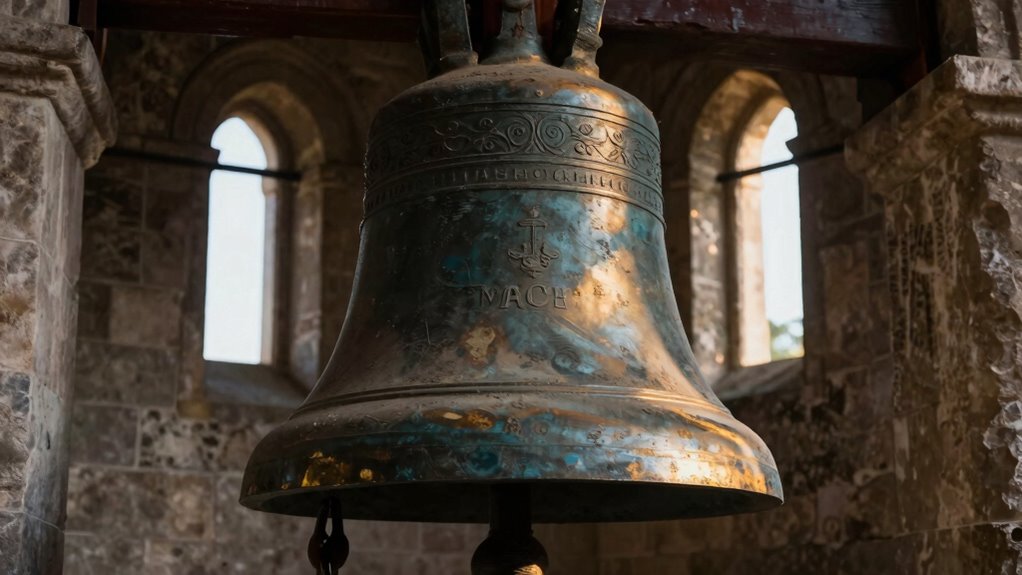
Many people believe that ringing bells can ward off evil spirits, but this widespread myth isn’t backed by scientific evidence. The idea that bells possess protective powers has deep roots in history, stretching back thousands of years. In ancient civilizations, civilizations like the Greeks and Romans used bells in religious rituals, believing the sound could repel malevolent forces. The historical origins of this belief often tie into the notion that loud, resonant sounds have the power to chase away evil entities or negative energies. Over time, societies across the world adopted similar practices, embedding the use of bells into their cultural and spiritual traditions.
Cultural variations reveal just how widespread and diverse these beliefs are. For instance, in medieval Europe, church bells rang at specific times not only to call worshippers but also to safeguard towns from spirits or evil influences. In some Asian cultures, bells are integral to cleansing rituals, believed to clear negative energy and invite positive vibrations. In Japan, temple bells are rung during New Year’s celebrations to dispel misfortune and welcome good luck, a practice rooted in spiritual symbolism. Similarly, in parts of Africa and Latin America, bells are used during ceremonies to communicate with ancestors or spirits, reinforcing the idea that sound has a spiritual or protective function. Additionally, the symbolic significance of sound in many traditions demonstrates how deeply ingrained these beliefs are in human culture. Scientific studies, however, show that the psychological effects of sound can influence emotions and perceptions, which may explain why such beliefs persist. Interestingly, the psychological impact of sound has been studied extensively, highlighting how auditory stimuli can shape our emotional responses and perceptions, even if they lack supernatural influence. Moreover, the cultural importance of sound continues to influence rituals and practices around the world today. Furthermore, modern research suggests that the auditory perception of sounds like bells can evoke feelings of safety or comfort, which might contribute to the enduring nature of these traditions.
Despite these rich traditions, modern science offers no proof that bells can physically ward off evil spirits. Instead, the power of bells is more symbolic and cultural than factual. They serve as tools for marking time, signaling important events, and fostering communal bonds. The myth persists because it resonates with people’s desire for protection and comfort, especially in uncertain times. Yet, it’s essential to recognize that the true significance of bells lies in their cultural and historical context, not in supernatural abilities. Understanding the origins and variations of this myth helps us appreciate the symbolic role bells have played for centuries, rather than accepting the unfounded notion that their sound can directly influence spiritual realms.
As an affiliate, we earn on qualifying purchases.
Frequently Asked Questions
Are There Historical Records Confirming the Origin of the Bells Myth?
There are no solid historical records confirming the origin of the bells myth. The mythology origins are mostly based on folklore and storytelling rather than documented history, which affects the historical accuracy of these tales. You should be cautious when accepting these legends as fact, as they often evolve over time and may be more symbolic or allegorical rather than grounded in actual events.
How Did the Myth About Bells Become so Widespread?
You see, the myth about bells spread widely due to cultural influences and myth propagation through stories, media, and tradition. People shared exaggerated tales, often unintentionally, reinforcing the legend over generations. As communities celebrated or feared specific beliefs, these stories became ingrained, making the myth seem more credible. This continual sharing and cultural reinforcement caused the bells myth to become deeply rooted and widely accepted, despite lacking factual basis.
Do Different Cultures Have Similar Myths About Bells?
Many cultures have similar myths about bells, often linked to cultural symbolism like warding off evil spirits or guiding spirits. You’ll find variations in these myths, reflecting each culture’s beliefs and history. While the core idea of bells as protective or spiritual tools remains consistent, the myth variations highlight diverse interpretations. This shared symbolism shows how universally bells hold significance, yet their myths adapt uniquely across different societies.
What Are the Psychological Reasons People Believe This Myth?
You believe this myth partly because of psychological biases like confirmation bias, which makes you seek out information supporting your beliefs. Social influences also play a role, as you’re influenced by stories and traditions shared within your community. These factors reinforce your belief in the myth, making it seem more credible and ingrained. Over time, both biases and social pressure keep you convinced, even if the myth isn’t based on facts.
Has Any Scientific Research Debunked the Bells Myth?
Scientific evidence has not supported the bells myth, debunking its origins as unfounded. Research shows no reliable data linking bell ringing to supernatural events or specific outcomes. The myth’s origins likely stem from cultural stories or misunderstandings, but scientific studies clarify that bells produce sound without any mystical influence. You can trust that the myth is based on legend rather than factual scientific evidence, making it a cultural misconception rather than reality.
Conclusion
Next time you hear the ringing of bells, remember they’re not summoning spirits or warding off evil, but simply marking time. Think of it like a lighthouse’s beam—an ordinary signal that guides sailors safely, not a mystical warning. The true story is much simpler and more grounded than legend suggests. So, next time bells ring, just smile and appreciate their real purpose—helping us stay connected and aware, not conjuring ghosts from the past.
Columbus Day / Indigenous Peoples' Day Picks
long weekend sales
As an affiliate, we earn on qualifying purchases.